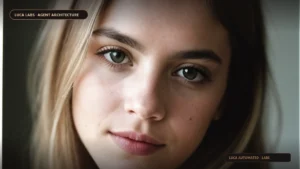
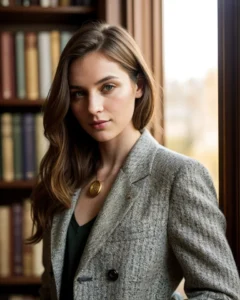
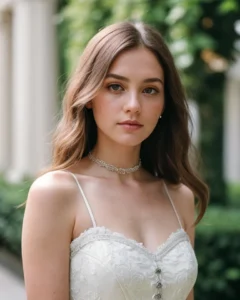
When artists first step into generative image creation, there is an almost universal instinct to reach for word lists like armor. Prompts quickly become encrusted with twenty different adjectives for beauty, five variations on high resolution, and repetitive demands for immaculate skin. Yet the resulting images often look strangely synthetic—overcooked, plasticky, and devoid of genuine atmosphere.
The secret to compelling imagery has never been a laundry list of superlative keywords. Master painters and analog cinematographers understood this centuries ago: light is not merely what illuminates an object; light is the visual substance itself. When you establish a single, coherent lighting idea with clarity and restraint, the image finds its own natural depth, delicate shadows, and authentic presence without needing an avalanche of modifiers.
“A single directional light source tells a story of time and place. A dozen competing keywords only tell a story of creative hesitation.”
The Quiet Grace of Diffuse North-Facing Window Light
North-facing window light has been the gold standard of European studio portraiture since the Renaissance. Because sunlight never enters directly through a northern exposure, the light remains completely diffuse, soft, and consistent throughout the day. It rolls gently across facial planes, providing a smooth gradient between delicate highlights and soft, transparent shadows.
In digital prompting, describing this specific physical setup instructs the visual engine to emulate natural atmospheric scattering. Rather than generating harsh digital contrasts or synthetic edge highlights, the rendering adopts a quiet, organic softness that resembles natural daylight photography.
Medium portrait of a contemplative young woman sitting by a tall paned window, soft diffuse morning daylight entering from the side, gentle shadows rolling across cheekbones, calm posture, muted linen shirt, quiet Scandinavian studio atmosphere.Notice the total absence of filler terms like ‘hyperrealistic’ or ‘8k’. The physical description of light and posture does all the heavy lifting.
Rembrandt Lighting: The Power of the Illuminated Triangle
Named after the Dutch master who perfected its emotional resonance, Rembrandt lighting places a strong directional key light roughly 45 degrees to the side and slightly above the subject. This creates a bold contrast where one side of the face is illuminated, while the shadow side retains a small, distinctive triangle of light beneath the eye.
This setup creates immediate three-dimensional volume and psychological intrigue. It signals depth, character, and gravitas. In digital generation, Rembrandt lighting eliminates the flat ‘passport photo’ look that plagues generic prompts, instantly rooting the subject in cinematic space.
Editorial studio portrait of a mature gentleman in thoughtful stillness, classical Rembrandt key lighting from a 45-degree angle, distinct triangle of soft light on the shadow cheek, dark warm neutral backdrop, tailored wool coat.The 45-degree key light cue directs the model to carve sculptural facial volume without adding clutter.
Golden Hour Low-Angle Rim Light: Separation Without Noise
Outdoor portraits frequently suffer from either flat midday daylight or overwhelming, saturated lens flare effects that overwhelm the subject. Golden hour lighting—captured in the final thirty minutes before the sun dips below the horizon—offers long, low-angled rays that wrap around silhouettes like a fine pencil line of warm amber.
When prompting for golden hour, focus on the relationship between warm backlight and cool ambient fill. Specifying a subtle rim glow separates your subject from the background environment cleanly, adding cinematic scale while preserving authentic skin tones in the shaded front.
Wide environmental portrait of a solitary figure standing on a wind-swept coastal ridge, low-angle golden hour backlighting, warm amber rim light catching the edges of silhouette and hair, deep cool evening sky in the distance, natural film warmth.A clean contrast between the warm rim backlight and cool ambient sky creates natural optical depth.
The Minimalist Formula: Three Lines of Intent
The next time you draft a prompt, resist the urge to paste fifty buzzwords. Instead, structure your prompt into three clean, purposeful lines:
- Line 1 — Subject & Stance: Who is in the frame, and what is their physical posture?
- Line 2 — Light Direction & Quality: Where is the light coming from, and how soft or directional are the shadows?
- Line 3 — Environment & Palette: What surrounds them, and what is the overarching color atmosphere?
By prioritizing light before keywords, your compositions gain breathing room, organic tactile texture, and timeless aesthetic dignity. Explore our curated studies in the Visual Atelier Gallery or study structured prompting in our Prompt Architecture Guides.
Continue exploring our visual studies, prompt collections, and motion experiments across the studio archives: