Every great film director knows that before an actor speaks a single line, the camera has already established the emotional stakes of the scene. A solitary figure framed in a vast, empty architectural hall communicates isolation before a word is spoken. The same figure framed tightly from the collarbone upward, their eyes locked on the horizon, communicates intense personal resolve.
In generative visual art, focal perspective and framing are your primary storytelling instruments. Choosing between a wide environmental perspective and an intimate close-up is not merely a technical decision about crop size; it is a choice about the psychological distance between your viewer and your subject.
“Wide shots establish the world and its weight. Close-ups reveal how the human soul endures it.”
The Environmental Portrait: Architecture, Scale, and Context
An environmental portrait—often evoking the wide 35mm optical perspective—places the human figure within their surrounding world. The character does not dominate the frame; instead, they share equal visual weight with the architecture, weather, and negative space around them.
This approach creates contemplative grandeur. It allows the viewer to imagine where the character has been and where they are going. By giving the subject room to breathe, you prevent visual claustrophobia and build a rich cinematic atmosphere.
Wide cinematic shot of an architect standing in an expansive concrete gallery hall, towering minimalist glass walls looking out onto autumn fog, small centered human figure in black wool overcoat, ample negative space, calm desaturated tones.Notice how ‘ample negative space’ and ‘small centered human figure’ prevent the AI from automatically zooming into the face.
The Medium Shot: The Natural Rhythm of Human Presence
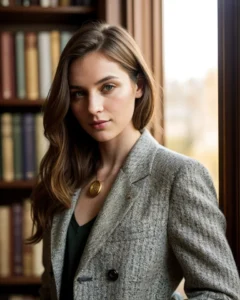
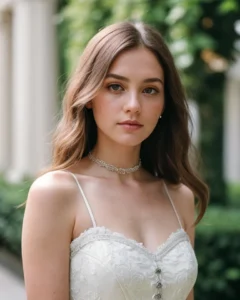
The medium shot, traditionally aligned with the natural 50mm human gaze, captures the subject from the waist or chest up. It represents conversational distance—the exact spatial separation between two people sitting across a wooden table in an espresso bar or library.
Because this framing matches our biological perception, it carries an inherent sense of authenticity and calm honesty. It allows both subtle facial expressions and expressive hand gestures to register simultaneously, making it the ideal perspective for character studies and editorial narratives.
Medium shot of a craftsman resting hands on a weathered oak workbench, calm candid posture, soft ambient daylight filtering through dusty workshop windows, tactile linen shirt, focused thoughtful expression, natural depth of field.This framing balances bodily posture, hand detail, and background environment with effortless harmony.
The Tight Close-Up: Emotional Vulnerability and Micro-Detail
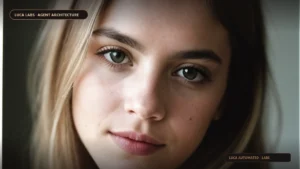
When you crop tightly into the human face—the domain of classic 85mm portrait lenses—the surrounding world dissolves into soft, creamy background blur. Architectural context retreats, and the viewer is forced into an intimate, confrontational encounter with the subject’s gaze.
In close-up portraiture, every micro-detail carries narrative weight: the catchlight reflected in the iris, the subtle tension in the jawline, the delicate texture of natural skin, and the cadence of human emotion. Close-ups should feel earned; use them when the inner emotional state of your character is the entire story.
Tight expressive close-up portrait of an artist, focus sharply centered on clear reflective eyes, soft blurred studio background, natural skin texture with subtle freckles, gentle side illumination, quiet dignified intensity.The tight framing removes all external distractions, turning the subject’s eyes into the sole anchor of the image.
Building a Sequential Visual Rhythm
The real magic occurs when you begin thinking not in isolated images, but in sequences. Pair a wide environmental shot with a close-up portrait of the same character, and you immediately create a visual dialogue that feels like a frame from an indie cinema masterwork.
This sequential framing philosophy is central to our work across cinematic motion in our Motion & Film Archives and our extensive prompt engineering breakdowns in Prompt Architecture.
Continue exploring our visual studies, prompt collections, and motion experiments across the studio archives: